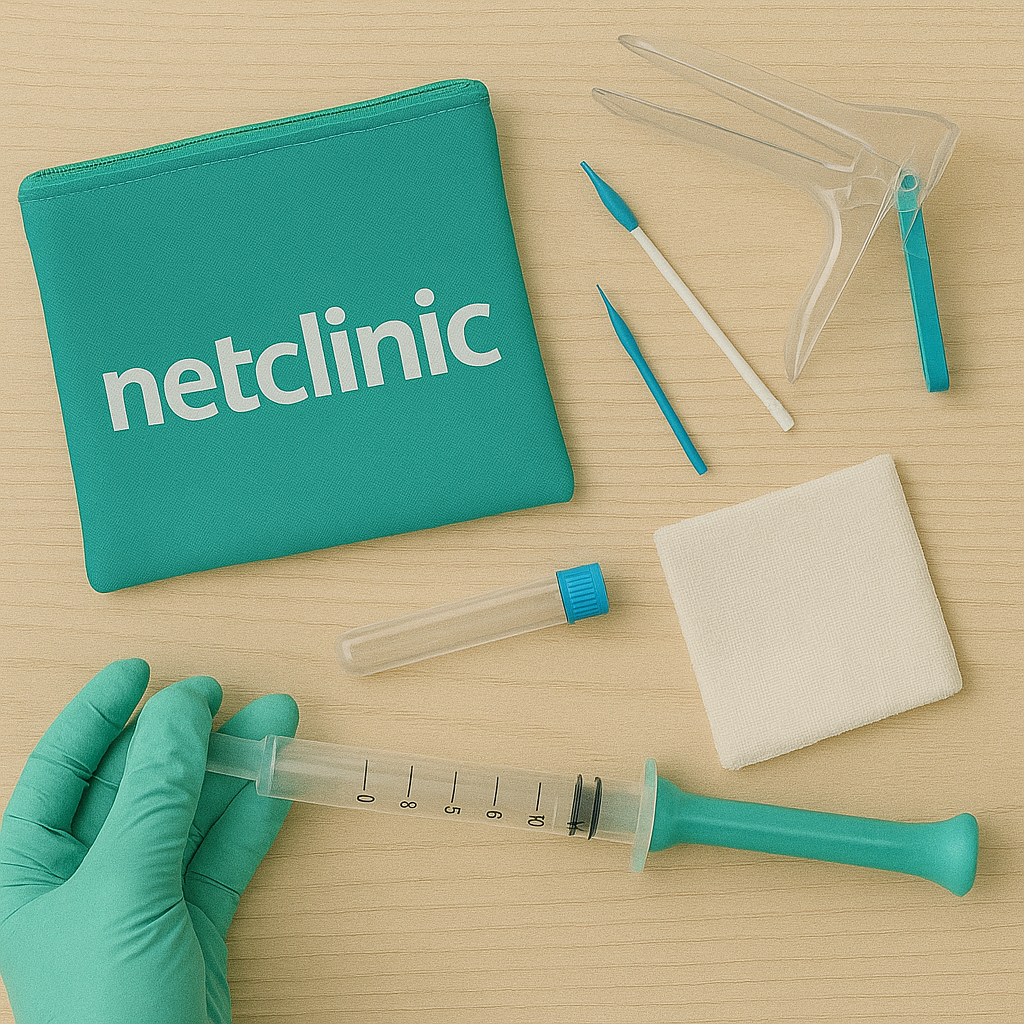
Let’s keep it real: no one loves the idea of a Pap smear. It sounds awkward, a bit uncomfortable, and a lot of women aren’t even sure what it’s for.
But here’s the truth — a Pap smear is one of the most powerful tools we have to prevent cervical cancer, and it only takes a few minutes.
So if you’ve been putting it off (or have no idea what it is), this one’s for you.
So, what is it exactly?
A Pap smear (or Pap test) is a simple screening that checks for abnormal cells on the cervix — the lower part of the uterus. These changes can be early signs of cervical cancer. If caught early, it’s almost always treatable.
It’s not a diagnosis — it’s a check-up.
Why it’s so important in South Africa
Cervical cancer is one of the leading cancers affecting women in South Africa. But the good news? It’s slow-growing, which means it can be caught and treated early — if you go for regular screenings.
When should I get a Pap smear?
Here’s a general guide (based on South African health guidelines):
✅ Age 21–29: Every 3 years ✅ Age 30–65: Every 3 years if normal, or every 5 years with HPV testing ✅ HIV positive? You should go every year
Tip: Even if you feel healthy and have no symptoms — it’s still worth doing. It’s preventative.
What happens after the test?
Your sample gets sent to the lab, and results usually come back within 1–2 weeks. If your results are normal — great! If something unusual shows up, it doesn’t always mean cancer. It could just mean you need further checks.
✅ Absolutely. Our nurses offer friendly, professional Pap smears in a clean, private environment — no judgement
You can even combine your Pap smear with a full women’s health check-up — all in one visit.
Talking about Pap smears shouldn’t be scary or shameful. It’s just part of looking after your body — like brushing your teeth or getting your eyes tested.
So, if you’re due — or unsure when your last one was — take this as your gentle nudge.
You deserve to know what’s going on with your body.